
Culture
Lorem ipsum dolor sit amet, consectetur adipiscing elit, sed do eiusmod tempor incididunt ut labore et dolore magna aliqua. Ut enim ad minim
Travel with us
Discovering Libyan Culture
Learn how small actions can protect Libya's natural beauty for generations to come.
- Tripoli
- Misrata
- Sirt
- Benghazi
- Sabha
- Akakos
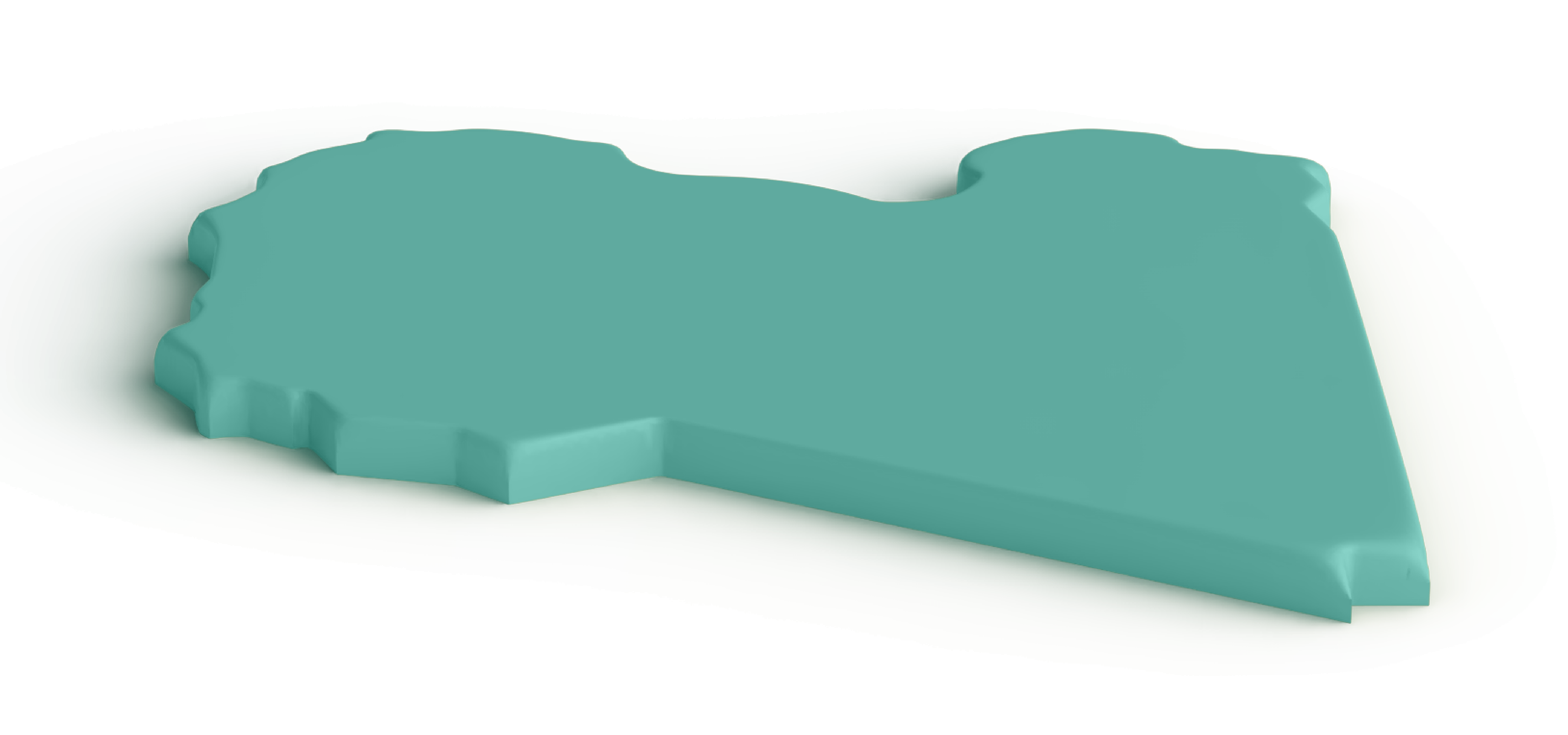
No landmarks in this city yet.
Travel with us
What are the ethnic groups in Libya?
Learn how small actions can protect Libya's natural beauty for generations to come.
Arabs make up the largest ethnic group in Libya and live throughout the country. Most are descendants of Arab tribes that settled in Libya after the Islamic conquest and later migrations, such as the Banu Hilal and Banu Sulaym tribes. Arabic is the official language, and Arab culture has a strong influence on Libyan society.
The Amazigh (Berbers) are the indigenous people of Libya, concentrated in the Nafusa Mountains and the coastal town of Zuwara. They speak Tamazight and have preserved distinct traditions, crafts, jewellery and festivals for thousands of years.
The Tuareg are a nomadic Berber people of the Sahara, living mainly in Libya's south-west around Ghat and Ubari. Known as the "blue people" for their indigo robes, they are renowned for desert trade routes, poetry and music.
The Tebu are an ancient Saharan people inhabiting the south and south-east of Libya, particularly around Kufra and the Tibesti region. Traditionally herders and caravan traders, they speak the Tebu language and maintain a proud desert heritage.


Our Tradition
Dances
Learn how small actions can protect Libya's natural beauty for generations to come.
Libyan Zokra Dance
The Libyan Zokra Dance is one of the most famous folk dances in western Libya, especially in Tripoli and nearby cities. It is performed during weddings, festivals, and cultural celebrations. The dance is accompanied by the Zokra, a traditional Libyan wind instrument, along with drums that create a lively rhythm. Dancers move in coordinated steps while expressing joy, hospitality, and the rich cultural heritage of western Libya.
Barqawi Kashk Dance
The Kashk Dance is a traditional folk dance from eastern Libya (Cyrenaica). It is characterized by perfectly synchronized clapping, rhythmic chanting, and coordinated group movements. The dance is usually performed by men standing in one or two rows during weddings, national celebrations, and tribal gatherings. Kashk symbolizes unity, discipline, teamwork, and pride in the Barqawi cultural heritage.
Southern Baroud Dance
The Baroud Dance is a traditional performance widely practiced in southern Libya and other regions during weddings and major celebrations. The word Baroud means gunpowder, and the dance is famous for the ceremonial use of traditional rifles in accordance with local customs and safety practices. Performers dance to the rhythm of drums while displaying courage, honor, and the spirit of the Sahara — representing bravery, tribal pride, and Libya's long-standing equestrian and warrior traditions.